
1. Understanding Household Size and Water Usage:
Every person has different hot water needs. On average, one individual uses about 50L of hot water daily. This can increase with longer showers or frequent use of warm water for laundry. Here’s a simple breakdown:
1 person: 50L
2 people: 100L
3 people: 50L
and so on.
2. Key Questions to Determine Your Needs:
To get an accurate picture of your hot water requirements, a supplier should ask:
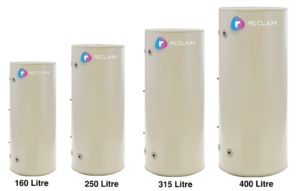 a) How many people live in your home?The more people, the more hot water you’ll need.b) When are showers or baths taken?If everyone in the household showers in the morning, you’ll need a system that can handle that peak demand.
c) How do you wash your clothes?
Some washing machines heat their own water, meaning they won’t tap into your system. However, if you’re using hot wash cycles with a machine connected to your hot water supply, it will impact your usage.
d) Dishwashing habits: Most dishwashers heat their own water, so they won’t use your hot water system. On the other hand, washing dishes by hand will.
e) Distance from the hot water system to main outlets: Longer pipe runs can lead to inefficiencies and longer waits for hot water. Ideally, the pipe should be short and insulated to save energy and water.
3. Analyzing Your Home:
It’s essential to have a hot water system supplier assess your home and usage habits. Their expertise will ensure you get a system tailored to your needs.
4. Importance of Efficient Sizing:
 Correctly sizing your heat pump hot water system offers several benefits: –
Avoid Running Out: Nobody wants a cold shower. The right size ensures you always have hot water when you need it.
Save Money: An oversized system uses more energy than necessary, leading to higher bills. Conversely, an undersized system might work harder, reducing its lifespan.
Eco-Friendly: Efficient systems waste less energy, making them better for the environment.
In Conclusion:
Selecting the right size for your heat pump hot water system isn’t just about the number of people in your home. It’s about understanding habits, usage patterns, and the unique characteristics of your living space. With the right questions and a thorough assessment, you can enjoy the perfect balance of comfort, cost savings, and eco-friendliness.