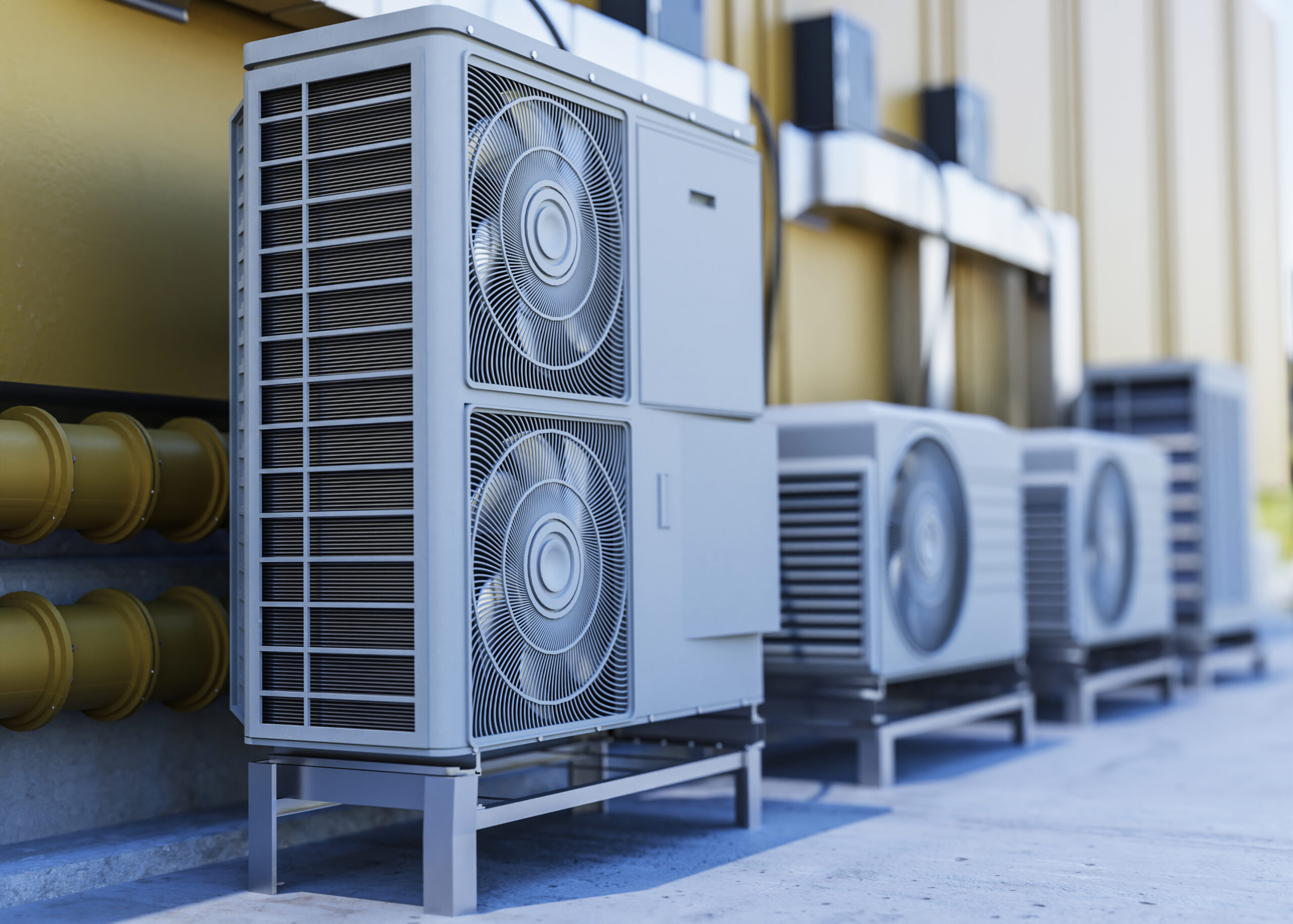

The world is changing, and so are our homes. As we become increasingly aware of the environmental impacts of our energy choices, many homeowners are seeking more sustainable and cost-efficient ways to heat and cool their homes. One technology that has gained significant attention in recent years is the heat pump. It’s not only an eco-friendly solution but can also lead to substantial savings on energy bills. In this comprehensive guide, we will explore the world of heat pumps, delve into the incentives available for adopting this technology, and help you transform your home into a sustainable haven that doesn’t break the bank.
Solar Choice is an independent organization with no bias toward product brands or different types of solar systems.
Before we dive into the world of incentives and rebates, it’s essential to understand what a heat pump is and how it works. A heat pump is a versatile HVAC system that can both heat and cool your home. It operates by transferring heat from one place to another rather than generating heat directly, making it highly energy-efficient.
Evaporator: This component absorbs heat from the surrounding air or ground.
Compressor: The compressor pressurizes the heat-absorbed refrigerant, increasing its temperature.
Condenser: The condenser releases the heated refrigerant into your home to provide warmth.
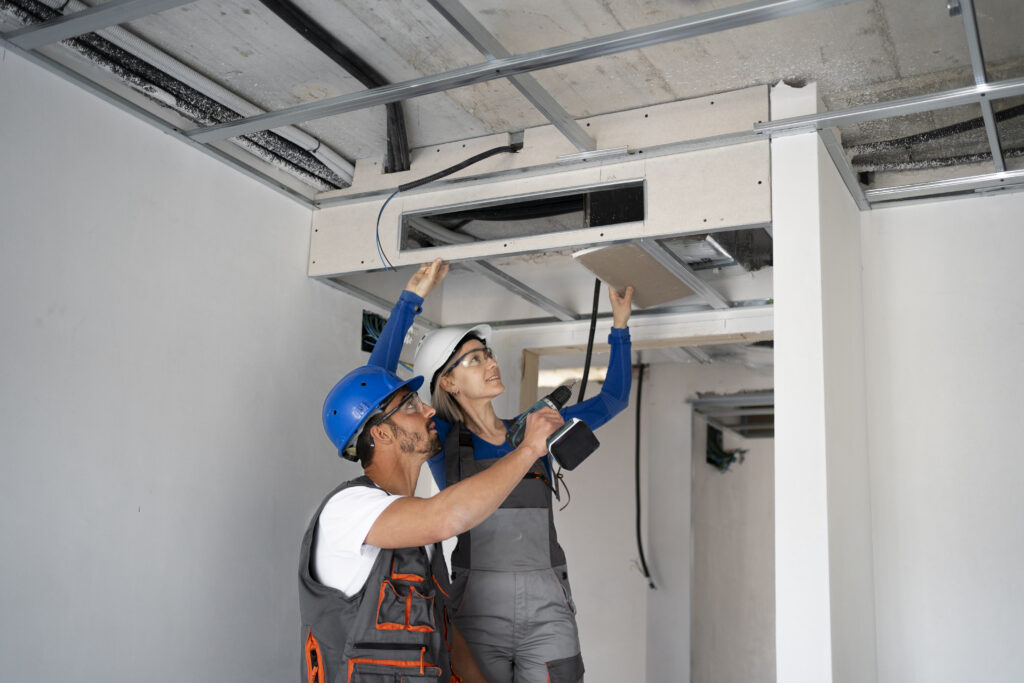
Air Source Heat Pumps (ASHP): These are the most common type of heat pumps, extracting heat from the outdoor air and transferring it indoors.
Ground Source Heat Pumps (GSHP): Also known as geothermal heat pumps, these systems harness the stable temperature of the earth to provide heating and cooling.
Water Source Heat Pumps (WSHP): WSHPs use water as the heat exchange medium and are often found in larger commercial buildings.
Ductless Mini-Split Heat Pumps: These systems are ideal for room-by-room temperature control and don’t require ductwork.
Hybrid Heat Pumps: Hybrid systems combine a heat pump with a traditional furnace or boiler for optimal efficiency in varying weather conditions.



Now that you have a basic understanding of how heat pumps work and the different types available, let’s explore why they are a sustainable and cost-effective choice for your home.
One of the most significant benefits of heat pumps is their reduced carbon footprint. By using electricity to move heat rather than burning fossil fuels, they produce fewer greenhouse gas emissions. This shift toward electrification aligns with global efforts to combat climate change and reduce our reliance on non-renewable energy sources.
Heat pumps are incredibly efficient, offering a higher Coefficient of Performance (COP) compared to traditional heating and cooling systems. A COP of 3, for example, means that for every unit of electricity used, a heat pump can provide three units of heating or cooling energy. This efficiency leads to significant energy savings and lower utility bills.
Heat pumps provide both heating and cooling, eliminating the need for separate systems. This versatility makes them a valuable asset in regions with varying climates, as they can efficiently handle both winter heating and summer cooling needs.
Compared to traditional HVAC systems, heat pumps are quieter. This is especially beneficial for homes in urban areas, where noise pollution can be a concern. Enjoy a more peaceful indoor environment while still maintaining your desired temperature.
Heat pumps are known for their durability and long lifespan. With proper maintenance, they can last 15-20 years or more, providing reliable comfort and energy efficiency throughout their service life.
While the environmental benefits of heat pumps are compelling, many homeowners are equally interested in the potential cost savings. Here’s how heat pumps can lead to a more cost-efficient home:
The primary cost-saving advantage of heat pumps is their lower energy consumption. As mentioned earlier, their high efficiency means you get more heating or cooling for each unit of electricity used. This translates into substantial reductions in your monthly energy bills, especially when compared to heating systems that rely on oil or electric resistance.
Heat pumps typically require less maintenance than traditional heating systems. With fewer components and no combustion process, there are fewer parts that can wear out or malfunction. This means fewer service calls and lower maintenance costs over time.
The longevity of heat pumps not only contributes to their environmental benefits but also to your cost savings. You won’t need to replace your heating and cooling system as often, reducing the long-term financial burden on homeowners.
Many governments and utility companies offer financial incentives and rebates to encourage the adoption of energy-efficient technologies like heat pumps. These incentives can offset the initial purchase and installation costs, making heat pumps even more cost-effective.
Now that you’re convinced of the advantages of heat pumps, let’s explore the various incentives and rebates available to make them even more accessible.
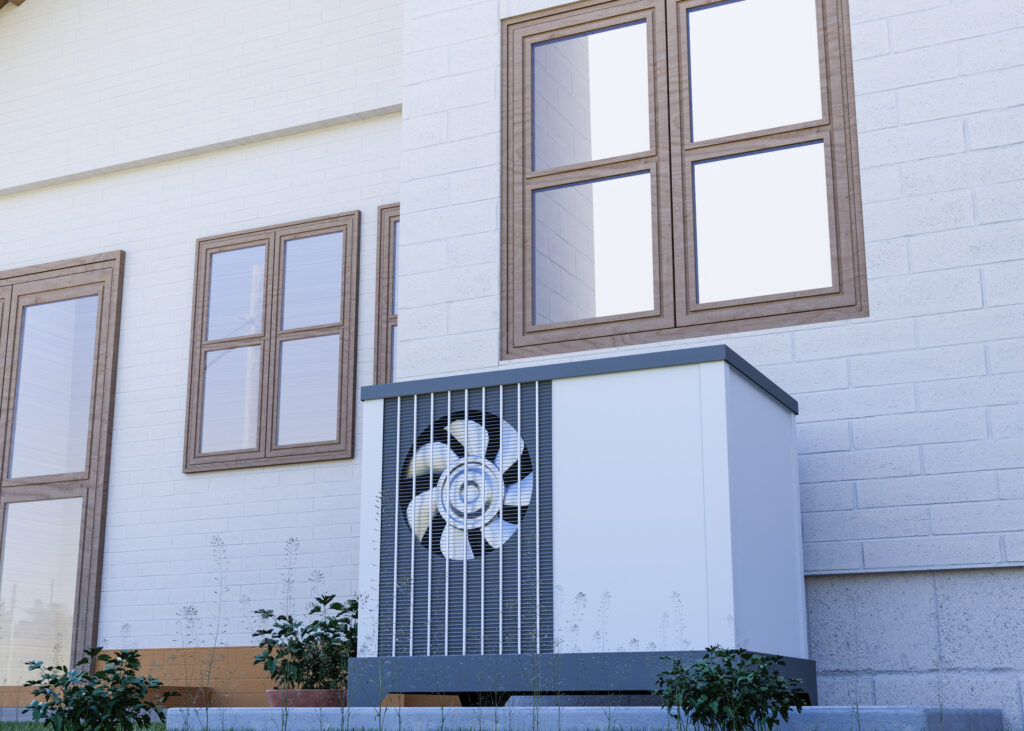
Governments, utility companies, and environmental organizations recognize the importance of transitioning to more sustainable heating and cooling solutions. To incentivize homeowners to make the switch to heat pumps, various programs and incentives have been established. Here are some of the most common types of incentives:
In the United States, the federal government offers tax credits for the installation of energy-efficient heat pumps. These credits can significantly reduce your tax liability, making it more affordable to invest in a heat pump system. It’s essential to check the current tax laws and eligibility criteria to take full advantage of these credits.
Many states and local governments also provide rebates for heat pump installations. These rebates can vary widely in terms of the amount and eligibility requirements, so it’s important to research what’s available in your area. State energy offices or utility companies are good places to start your search.
Utility companies often offer incentives to encourage energy-efficient upgrades. These incentives can include cash rebates, low-interest financing, or even free energy assessments. Contact your local utility company to inquire about available programs and incentives.
Some regions have energy efficiency programs that offer incentives for heat pump installations. These programs are typically administered by non-profit organizations or environmental agencies. They may provide financial assistance, technical support, or access to affordable financing options.
Certain environmental organizations and non-profits offer grants to homeowners who are committed to reducing their carbon footprint. These grants can help cover a portion of the installation costs of heat pump systems.
In addition to government and utility incentives, some heat pump manufacturers offer rebates or promotions on their products. These manufacturer rebates can further reduce the upfront cost of purchasing a heat pump.
Energy-efficient mortgages are another option for financing heat pump installations. These specialized mortgages take into account the energy savings potential of the upgrades and can provide favorable terms and lower interest rates.
Before you install a heat pump, consider having a home energy audit. Some incentive programs require an audit to assess your home’s energy efficiency and identify potential improvements. The audit results can help you qualify for additional incentives and prioritize energy-saving upgrades.
Property Assessed Clean Energy (PACE) financing allows homeowners to finance energy-efficient improvements through property tax assessments. PACE programs are available in some areas and can be used to fund heat pump installations.
To make the most of these incentives and rebates, follow these steps:
Research Available Programs: Start by researching federal, state, and local programs, as well as incentives offered by utility companies and non-profit organizations in your area. Each program may have different requirements and application procedures.
Check Eligibility: Ensure that you meet the eligibility criteria for each incentive program. Some programs have income limits, specific technology requirements, or other qualifications.
Document Your Installation: Keep thorough records of your heat pump installation, including invoices, receipts, and any required documentation. You’ll need these to apply for incentives and prove that the work was completed.
Submit Applications: Carefully follow the application procedures for each program. Some incentives may require pre-approval before you begin the installation, so it’s essential to plan ahead.
Work with Certified Installers: Some programs may require that your heat pump installation is performed by certified professionals. Ensure that your chosen installer meets the program’s qualifications.
Consider Financing Options: If you need assistance covering the upfront costs of your heat pump, explore financing options like low-interest loans or energy-efficient mortgages.

While heat pumps offer remarkable benefits, there are a few additional considerations to keep in mind as you embark on your journey to a more sustainable and cost-efficient home.
Properly sizing your heat pump system is crucial to ensure optimal performance and efficiency. An undersized system may struggle to meet your heating and cooling needs, while an oversized system can lead to short cycling and decreased efficiency. It’s essential to work with a qualified HVAC professional who can perform a load calculation to determine the right size for your home.
To maintain the efficiency and longevity of your heat pump, regular maintenance is essential. Some maintenance tasks you can do yourself, such as cleaning or replacing air filters, but it’s advisable to schedule annual professional maintenance. A technician can inspect the system, check refrigerant levels, and address any potential issues before they become costly repairs.
Consider installing a smart thermostat to complement your heat pump system. These devices allow you to program heating and cooling schedules, adjust temperatures remotely, and optimize your system’s performance. Some smart thermostats even learn your preferences over time and make automatic adjustments to maximize energy savings.
The effectiveness of your heat pump depends on the overall efficiency of your home. Ensure that your home is well-insulated and properly sealed to minimize heat loss in the winter and heat gain in the summer. This will reduce the workload on your heat pump and further enhance your energy savings.
While heat pumps are efficient in most climates, extremely cold temperatures can reduce their efficiency. In such cases, it’s beneficial to have a backup heating source, such as a traditional furnace or electric resistance heating, to supplement your heat pump during frigid weather.
When investing in a heat pump system, think about your long-term plans for your home. Heat pumps are a substantial investment, and it’s essential to consider how long you intend to stay in your current residence. The energy savings and environmental benefits often justify the upfront costs, but it’s wise to plan for the long haul.
Beyond the financial aspects, adopting heat pump technology is a significant step towards reducing your carbon footprint. By using clean electricity to heat and cool your home, you’re contributing to a more sustainable future. Keep in mind that as the grid becomes increasingly powered by renewable energy sources, the environmental benefits of heat pumps will continue to grow.
Before making any decisions, consult with HVAC professionals who specialize in heat pump installations. They can assess your specific needs, provide recommendations, and guide you through the entire process, from selecting the right heat pump model to securing available incentives and rebates.
After installing your heat pump, regularly monitor your energy consumption and utility bills. This will help you track your savings and ensure that your system is operating at peak efficiency. If you notice any unusual increases in energy usage, it may be a sign that your system requires maintenance or adjustments.
Once you’ve successfully leveraged heat pump incentives and embraced eco-friendly comfort in your home, consider sharing your experience with friends, family, and neighbors. By spreading the word about the benefits of heat pumps and available incentives, you can inspire others to make environmentally conscious choices.
In conclusion, transitioning to a heat pump system not only offers eco-friendly comfort and cost savings but also contributes to a more sustainable future. As you embark on this journey, remember that research, proper sizing, maintenance, and efficiency enhancements are key to maximizing the benefits. By staying informed and working with professionals, you can ensure that your sustainable and cost-efficient home remains a source of pride and inspiration for years to come.
In our discussion of heat pumps, we’ve primarily focused on the conventional air source and ground source heat pumps. However, there are variations and innovations in heat pump technology worth exploring.
Modern air source heat pumps come with advanced features that enhance efficiency and comfort. Some models have variable-speed compressors, which can adjust their output based on the heating or cooling load, providing precise temperature control and energy savings. Additionally, many air source heat pumps now include defrost cycles to address cold weather challenges, further improving their performance in diverse climates.
Hydronic heat pumps combine the efficiency of heat pumps with radiant floor heating or hydronic baseboard heating systems. These systems use water to distribute heat throughout your home, providing consistent and comfortable heating. Hydronic heat pumps are a great option if you prefer radiant heating and want to enjoy the benefits of a heat pump.
While less common in residential settings, absorption heat pumps are gaining attention due to their eco-friendly credentials. These heat pumps use natural gas, propane, or solar energy to drive the heat exchange process. They are particularly suitable for areas with limited access to electricity or those seeking to reduce their carbon footprint further.
Air-to-water heat pumps are designed to heat water for both space heating and domestic hot water. They are an excellent choice for homeowners who want to integrate their heating and hot water systems into a single efficient unit.
Dual fuel or hybrid heat pump systems combine a heat pump with a conventional furnace. These systems automatically switch between the two heat sources based on outdoor temperatures, optimizing energy efficiency. They ensure reliable heating even in extreme cold weather.
Ductless mini-split heat pumps are known for their efficiency and versatility. Some models offer multi-zone functionality, allowing you to control the temperature in individual rooms or zones independently. This feature enhances comfort and further reduces energy consumption by avoiding heating or cooling unused spaces.
Thermally driven heat pumps, also known as thermally driven chillers, use waste heat or solar energy to drive the cooling or heating process. These systems are highly efficient and can be an excellent choice for commercial or industrial applications.
As the Internet of Things (IoT) continues to advance, integrating heat pumps with smart home systems is becoming more accessible. Smart thermostats, remote monitoring, and control capabilities can enhance your heat pump’s efficiency and convenience. You can adjust settings remotely, receive energy consumption reports, and even integrate your heat pump into broader home automation systems.
See below table to see if any of these common items would apply to your home:
The transition to heat pump technology represents a significant step towards achieving a sustainable and cost-efficient home. By leveraging the incentives and rebates available, you can make this transition more affordable and environmentally friendly. Keep in mind that as technology evolves and the demand for energy-efficient solutions grows, the heat pump market will continue to innovate and offer even more options for homeowners.
In the coming years, we can anticipate improvements in heat pump efficiency, increased compatibility with renewable energy sources, and enhanced integration with smart home systems. As homeowners, you’ll have the opportunity to stay at the forefront of these developments and continually improve the sustainability and cost-efficiency of your home.
In closing, embracing eco-friendly comfort through heat pump technology is a decision that benefits not only your household budget but also the planet. By selecting the right heat pump system, maximizing available incentives, and staying informed about emerging technologies, you’re taking proactive steps towards a sustainable, cost-efficient, and comfortable home for yourself and future generations. Together, we can shape a greener and more sustainable future, one heat pump at a time.
Embracing eco-friendly comfort through the adoption of heat pump technology is a smart choice for both the environment and your wallet. These efficient systems provide heating and cooling while significantly reducing energy consumption and carbon emissions. With a wide range of incentives and rebates available, transitioning to a heat pump system has never been more affordable.
Before making the switch, be sure to research the incentives and programs available in your area, check your eligibility, and work with certified professionals to ensure a successful installation. By leveraging heat pump incentives, you can transform your home into a sustainable, cost-efficient haven that benefits both you and the planet. It’s a win-win solution that puts comfort and savings at the forefront of your homeownership experience while contributing to a greener future.
Empowering Australians to Save on Hot Water Heat Pumps since 2008 – a Decade of Efficiency and Innovation.