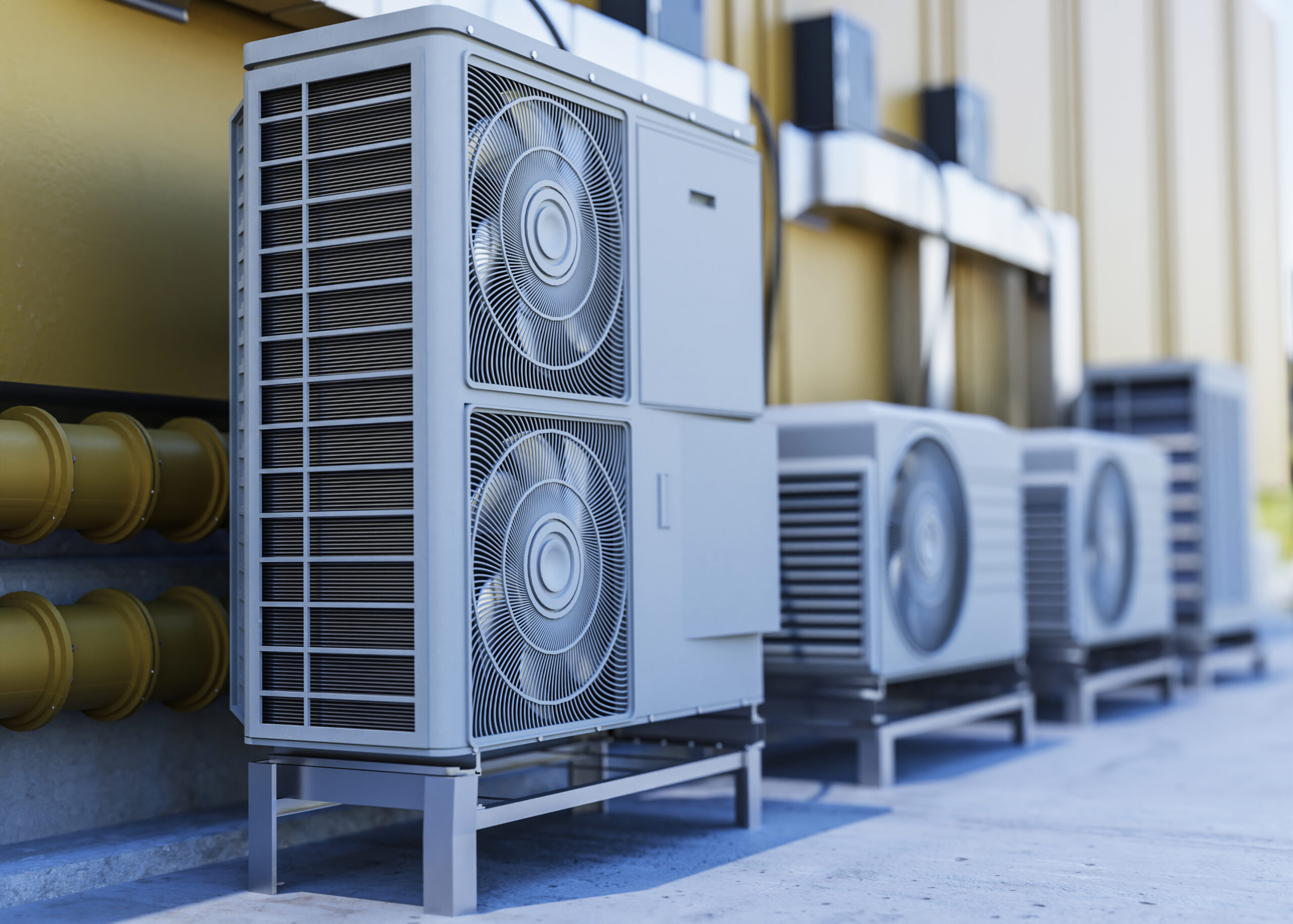

When it comes to heating and cooling your home efficiently, heat pumps offer a versatile and eco-friendly solution. However, selecting the right heat pump system can be a daunting task, given the various options available. In this comprehensive guide, we’ll conduct a thorough heat pump comparison to help you make an informed decision about the system that best suits your home and lifestyle.
Before delving into the specifics of different heat pump systems, let’s start with the fundamentals. A heat pump is an HVAC (Heating, Ventilation, and Air Conditioning) system that can both heat and cool your home. It works by transferring heat from one location to another. During the winter, it extracts heat from the outdoor air (even in cold weather) and delivers it into your home to provide warmth. In the summer, it reverses the process, removing heat from your indoor air and releasing it outside to keep your home cool.
A gas’s temperature rises in direct proportion to its pressure. The temperature decreases as the pressure does. The function of a heat pump is dependent on this relationship between pressure and temperature.
A heat pump uses electricity to compress the gas, which is referred to as a “refrigerant,” raising the pressure and consequently the temperature.
The refrigerant cools down a little as the heat from your home is transferred to it via the heat exchanger. The refrigerant is then given room to expand, causing it to chill even more. Now that it’s cold enough, the process can start over by absorbing more heat from the outside.
Your home can then be heated using the heat that was sent to the heat exchanger. Normally, a central heating system would be used for this, however an air-to-air heat pump or an exhaust air heat pump might also be used.
Advantages: These are the most common and affordable heat pumps. They extract heat from the outside air, making them suitable for regions with moderate climates. They can provide both heating and cooling.
Considerations: Efficiency can drop in extremely cold weather, and they may require a backup heating source.


Advantages: These systems are versatile and do not require ductwork. They can provide zoned heating and cooling, making them highly energy-efficient.
Considerations: Installation may involve multiple indoor units and can be more complex.
Advantages: Hybrid systems combine a heat pump with a traditional furnace. They switch between the two based on efficiency, optimizing performance.


A heat pump works like a furnace and central air conditioner together to heat and cool your house. When compared to conventional home climate-control systems, heat pumps are incredibly energy-efficient and environmentally benign since they collect and move ambient heat rather than burning fuel (or using energy-hungry electric resistance) to generate it. Depending on where you live and other considerations, such as the price of electricity, they may cost less than other heating, ventilation, and air conditioning systems and are powered by electricity. They are also extremely simple to install in many homes.
Although it won’t be the ideal system for every home, heat pumps are a viable option whenever you need to replace or modernize a component of your HVAC system.
Whether it’s a ducted system or a mini-split, whether you’re wanting to replace or supplement a conventional heating and cooling system or simply want to upgrade to a newer, more efficient heat pump, this guide will help you locate the ideal heat pump for your property. We’ll go over the qualities to look for and offer advice on how to get a skilled installer. We also provide guidance on how to maximize the performance of your heat pump after installation.
For the most dependable brands of ducted heat pumps and the ones with the highest owner satisfaction, Consumer Reports members may also examine our heat pump ratings. Our ratings, which span 24 brands, are based on information from our members’ surveys of more than 13,500 heat pumps that were set up between 2005 and 2021 and are currently being used in the real world. Due to the fact that heat pump systems are extremely specialized to individual homes and climates, we do not test or endorse any particular heat pump types.
In order to move heat from outdoors to indoors (in a heating mode) or vice versa (in a cooling mode), air-source heat pumps, the most popular kind of heat pumps, absorb heat from the air. In the cooling mode, air-source heat pumps function exactly like air conditioners in the same way. The two types of appliances share a similar appearance, are typically produced by the same businesses, and employ almost identical components. Heat pumps can transfer heat both inside and outside thanks to a few minor changes.
Heat pumps are likely to be slightly more expensive to operate for customers who use gas boilers (not LPG or oil boilers) unless special consideration is given to achieving maximum efficiency of the heat pump in the heating system by adopting best practice radiator / underfloor heating design. However, since utility costs fluctuate over time, we anticipate that heat pumps will overtake other heating options as the most affordable and low-carbon option.
It is challenging to provide an exact estimate of annual heating expenditures for people who use LPG or oil due to annual price changes. For instance, the price of heating oil has generally increased over the past five years, fluctuating between 40 and 65 pence per litre on average. Heat pumps should save you money on operating costs providing a well-designed system is built, unless you can purchase oil or LPG at the absolute best time of the year to cover your total annual demand.
Air-source heat pumps were previously mostly employed in the southern U.S., where the region’s scorching summers and moderate winters make them an ideal fit. However, as a result of advancements in technology, air-source heat pumps are now a viable option practically everywhere in the nation—even in regions with harsh winters. Despite what it might look like, even on chilly winter days, there is always some free heat energy in the air. Modern heat pumps designed for cold climates can effectively capture this free heat and transfer it into your house.
Even though they use power that is mostly made from fossil fuels, heat pumps are a more environmentally friendly way to heat your home than other options. They become even more sustainable when they are fueled by renewable energy, whether it comes from rooftop or community solar or a cleaner grid. Some states and utility providers provide rebates or other incentives to homeowners who install heat pumps due to the energy savings and environmental advantages.
A heat pump can be used in conjunction with an existing heating system or as your home’s primary source of heating and cooling. Heat pumps can be installed in a lot of houses that already have ducting for forced-air HVAC systems. Mini-split ductless heat pump systems can give climate control to rooms that the main system doesn’t reach or provide heating and cooling in a house without ducts.
utilizing a heat pump in your home is somewhat different from utilizing a conventional heating system. Modern heat pumps work best when your thermostat is kept at a steady temperature; lowering it at night really wastes electricity. Additionally, they operate practically continuously at a low level and provide cooler air than furnaces, which blast heat intermittently throughout the day. With heat pumps, good insulation and air sealing of your home and duct system are even more crucial than with other heating methods.
Air-Source Heat Pump with Ducts
This kind of heat pump functions and looks a lot like a central air conditioner. A refrigerant line filled with fluid that transmits heat between the two units connects an outdoor unit and an indoor unit, both of which feature aluminum fins and coils to release or collect heat. A compressor that compresses and circulates the refrigerant is also a part of the outside unit. A blower pumps warm or cold air via the ducts within your home, which the indoor unit is connected to, and out of air vents that are strategically located throughout your home. The median cost for the purchase and installation of a ducted heat pump between 2016 and 2021, as reported by CR’s member surveys, was $7,791.
Mini-Split ductless air-source heat pump
Similar to a ducted system, this type of system can heat and cool the air in your home, but it does not utilize ductwork to do it. Instead, the indoor air handlers, often known as “heads,” that are placed all over your house are connected to the outdoor unit. It’s a typical, simple technique to add a heat pump to a house or part of a house without ducts. The air-handler heads are often installed high on a wall, but there are heads that may be installed inside the ceiling or the floor for homeowners who don’t like the aesthetic or don’t have the space. Due to the fact that they do not require ducted heat pumps, mini-splits are also more energy-efficient.
Additional Heat Pump Types
Other heat pump designs have been demonstrated to perform admirably in a select circumstances, although they are less prevalent than air-source heat pumps.
Underground, where the temperature is a consistent 50° to 60° F all year round, ground-source or geothermal heat pumps absorb and release heat. Because they are not required to make large temperature adjustments like air-source heat pumps do, they are very efficient. Ground-source systems, however, can be impractical for small lots or those with particular types of soils or landscapes since the heat-exchanging pipes are buried beneath (either horizontally or vertically). Ground-source energy systems might cost anywhere from $6,000 and $30,000 or more.
Water-source heat pumps function similarly to ground-source systems, but they are installed on top of a body of water rather than underground. These can be less complicated and expensive to install than ground-source systems if you have a suitable body of water on your property.
Similar to air-to-air types, air-to-water heat pumps employ exterior units, but they disperse heat using a hot-water radiator system. Despite the fact that many homes in the Northeast and Midwest rely on hydronic radiators for heating, air-to-water heat pumps are still uncommon in the United States.
When comparing heat pumps, consider these key factors:
The local climate plays a significant role in determining the most suitable heat pump type. Air source heat pumps are effective in moderate climates, while geothermal heat pumps excel in extreme conditions.
Look for heat pumps with high efficiency ratings. SEER (Seasonal Energy Efficiency Ratio) and HSPF (Heating Seasonal Performance Factor) ratings indicate cooling and heating efficiency, respectively.
Ensure the heat pump is appropriately sized for your space. An oversized or undersized unit can lead to inefficient operation.
Consider whether you want to implement zoning in your home or business. Ductless mini-split systems are ideal for zoned heating and cooling.
Factor in installation costs, which can vary significantly based on the type of heat pump and your location.
Different heat pumps may have varying maintenance needs. Geothermal systems, for example, typically require less maintenance than air source heat pumps.
Additionally, you must let your neighborhood district network operator (DNO) know that you intend to install a heat pump. It is the DNO’s job to deliver electricity from the network to your house. Ask the installer to help you with this since they will have all the necessary information to fill out the papers.

Regardless of the type, heat pumps offer several advantages:
Energy Efficiency: Heat pumps are highly efficient and can significantly reduce energy bills.
Environmental Friendliness: They use renewable heat sources and produce fewer greenhouse gas emissions.
Versatility: Heat pumps provide both heating and cooling, offering year-round comfort.
Zoning Capability: Some heat pump types allow for zoning, enabling precise control over temperature in different areas of your home or building.

Choosing the ideal heat pump for your home or business involves evaluating your specific needs, budget, and location. Consider consulting with HVAC professionals to conduct a thorough heat pump comparison and determine the best system for your unique requirements. With the right choice, you can enjoy energy-efficient, cost-effective, and environmentally-friendly heating and cooling for years to come.
Before we embark on the comparison journey, let’s demystify the world of heat pumps. At their core, heat pumps are highly efficient systems that transfer heat from one location to another, making them equally adept at heating and cooling. There are several types of heat pumps, each tailored to specific situations.
Advantages: These are the most common heat pumps, cost-effective, and suitable for regions with mild climates. They extract heat from the outside air for heating and reverse the process for cooling.
Considerations: Their efficiency can drop in extremely cold weather, and in such cases, they might require supplemental heating.
Advantages: Geothermal heat pumps harness the stable temperatures of the ground or water for highly efficient heating and cooling. They are sustainable and environmentally friendly.
Considerations: Installation can be more expensive, and feasibility depends on location and available land or water resources.
Advantages: Offering versatility and zoning capabilities, these systems do not require ductwork. They are energy-efficient and can provide precise temperature control.
Considerations: Installation may involve multiple indoor units, and initial costs can vary.
Although our reader poll found no link between the frequency of maintenance and how likely a heat pump was to require maintenance or repairs, the conventional thinking is that heat pumps should have frequent maintenance for optimal efficiency. But a properly maintained system ought to function more effectively.
If you employ a service technician, you should ask them to perform the following once a year:
Drain the pan and drainage system, clean and flush the coils, and vacuum the blower compartments. The contractor should also make sure that all mechanical parts are in good working order, that the system is correctly charged with refrigerant, and that there are no leaks.
You can perform some maintenance on your own as well. Monthly filter and grille cleaning.
Empowering Australians to Save on Hot Water Heat Pumps since 2008 – a Decade of Efficiency and Innovation.