Installing a heat pump is a significant investment that can greatly impact your home’s comfort and energy efficiency. While many homeowners opt for professional installation, some may attempt to install a heat pump themselves to save money. However, this can lead to costly mistakes if not done correctly. In this blog post, we’ll explore some common mistakes to avoid during heat pump installation to ensure you get the most out of your system.
A heat pump does not burn fuel, hence it produces no carbon dioxide because it uses heat that is already present in the environment.
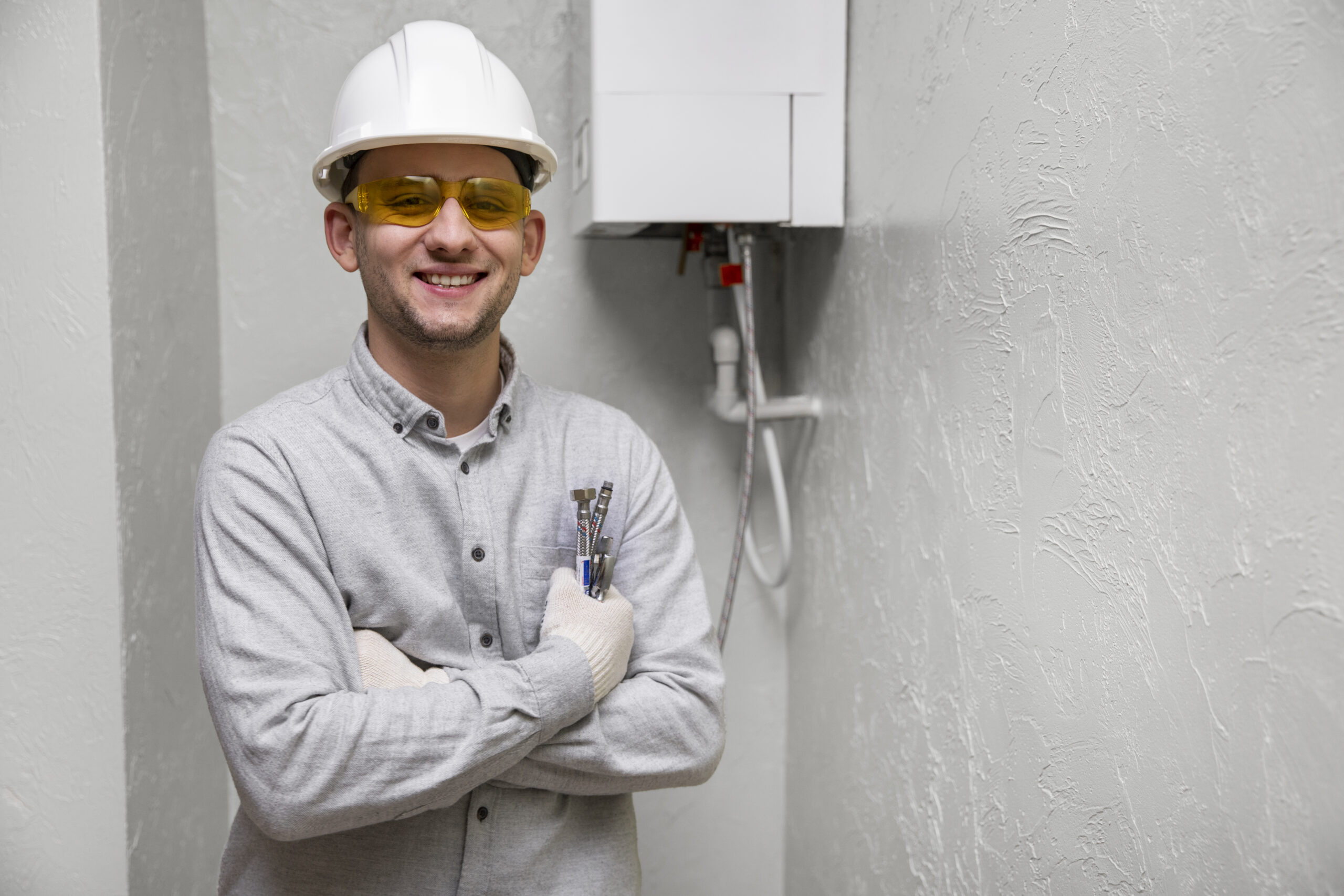
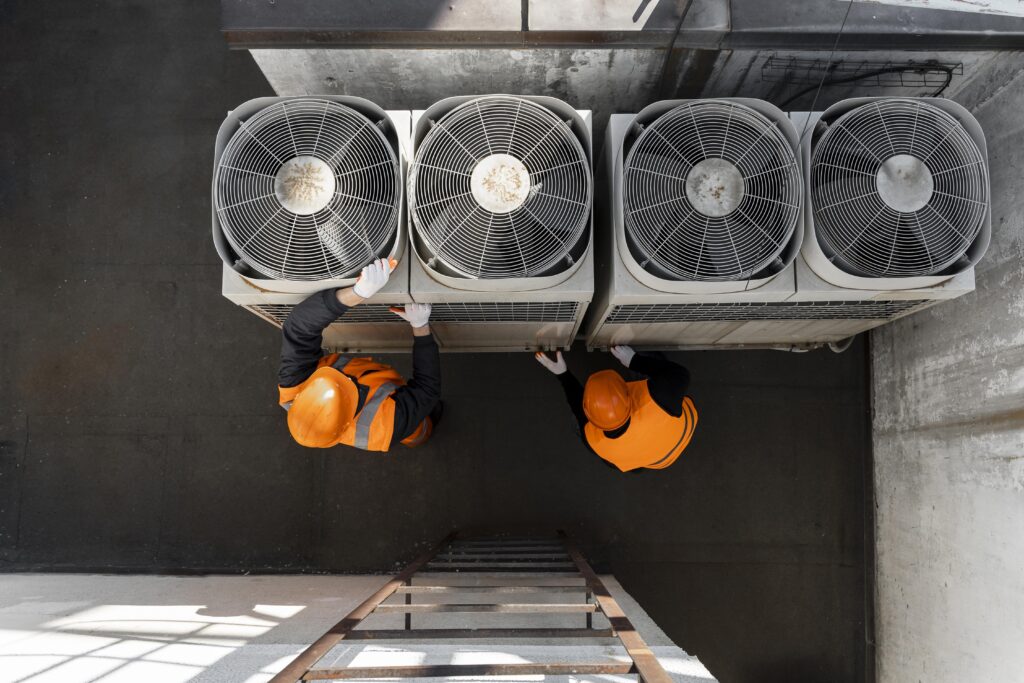
One of the biggest mistakes you can make is attempting a DIY heat pump installation, especially if you lack experience or the necessary skills. A professional heat pump installer has the knowledge and tools required to assess your home’s specific needs, select the right system, and install it correctly. This ensures optimal performance and longevity for your heat pump.
Selecting the right-sized heat pump is crucial for efficiency and comfort. Installing a heat pump that is too small will strain the system, leading to increased energy consumption and reduced performance. Conversely, a heat pump that is too large may cycle on and off frequently, leading to unnecessary wear and tear. A professional installer will perform a load calculation to determine the correct size for your home.
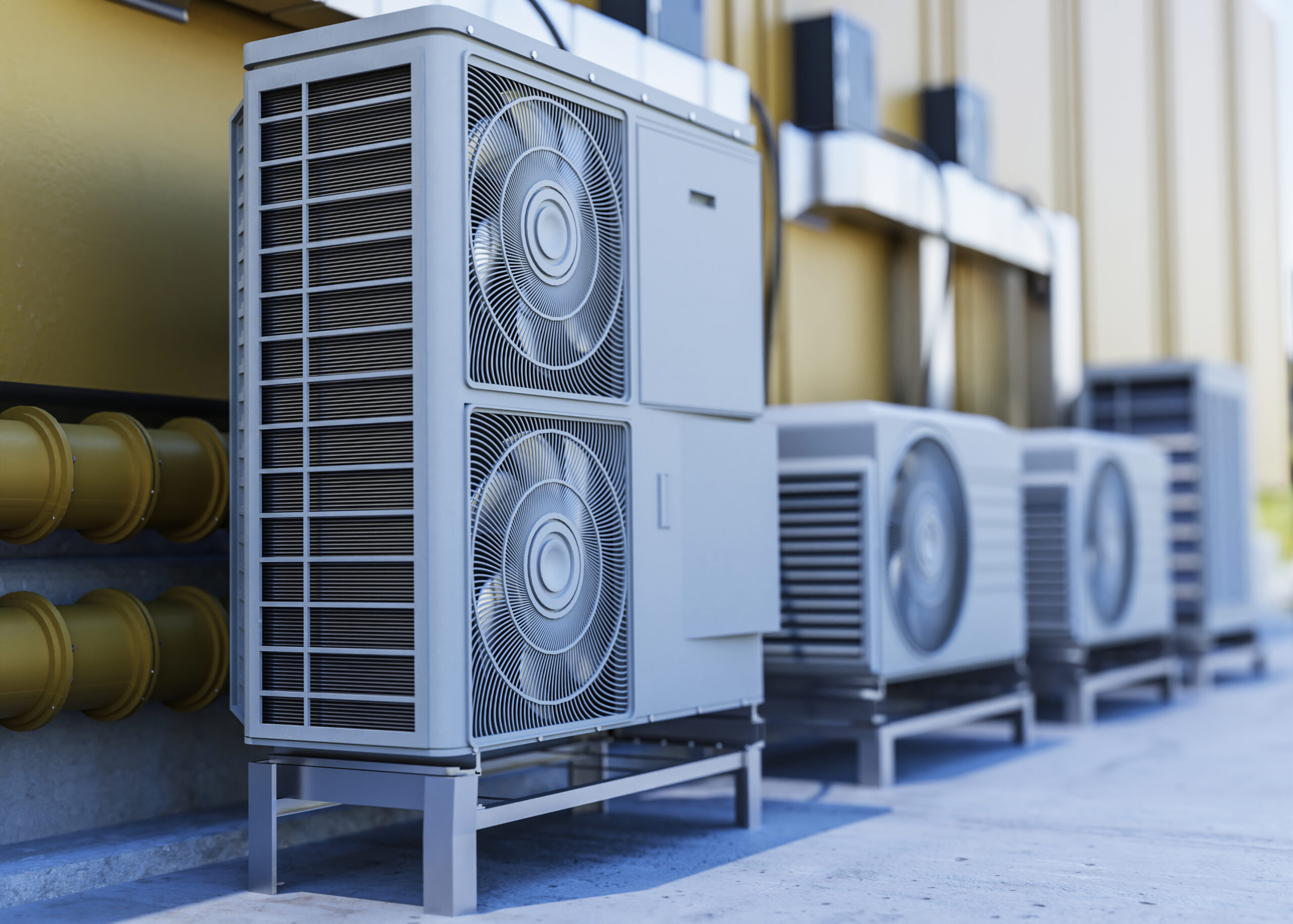
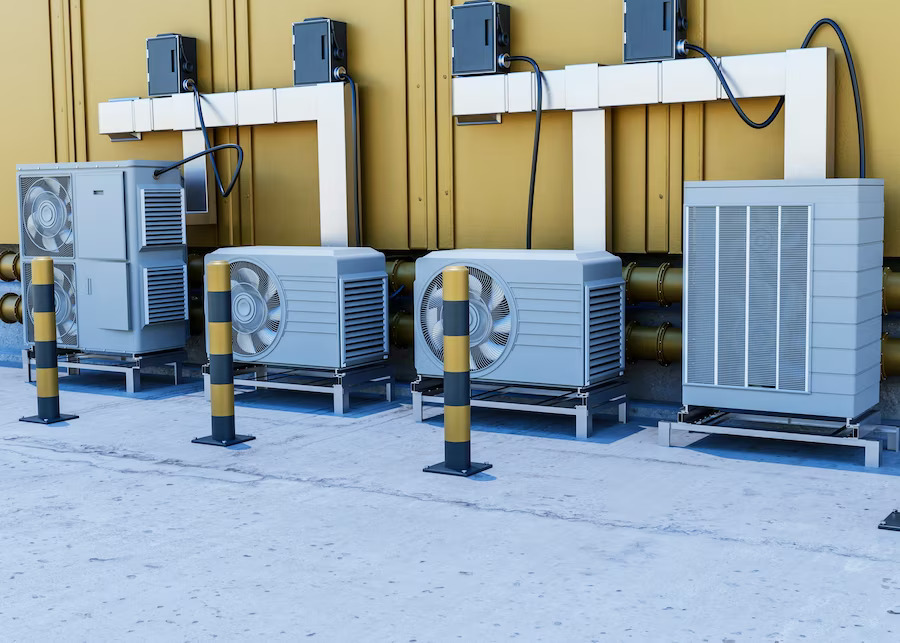
The location of your heat pump can greatly affect its performance. Installing it in a shaded and well-ventilated area is ideal. Placing it in direct sunlight or near obstacles can cause the unit to overheat or operate inefficiently. Additionally, improper placement can lead to noise issues and reduced airflow.
Proper insulation and sealing are essential for maintaining a comfortable indoor environment and maximizing energy efficiency. Failing to insulate ducts or seal gaps in your home’s insulation can result in heat loss, reducing the heat pump’s effectiveness. A professional installer will ensure that your home is properly sealed and insulated.
Once your heat pump is installed, it’s crucial to schedule regular maintenance. Neglecting this aspect can lead to decreased efficiency and even system breakdowns. Routine maintenance, such as cleaning coils, changing filters, and checking refrigerant levels, will help keep your heat pump running smoothly for years to come.
Every heat pump comes with manufacturer-specific installation guidelines. Ignoring these instructions or using generic methods can lead to poor performance and void warranties. A professional installer is familiar with these guidelines and will ensure that your heat pump is installed according to the manufacturer’s specifications
Improper zoning and thermostat placement can result in uneven heating or cooling throughout your home. A professional installer will strategically place thermostats and set up zoning systems to ensure consistent comfort levels in all areas of your house.
In conclusion, avoiding these common mistakes during heat pump installation is essential for getting the most out of your investment. By hiring a professional, selecting the right size, paying attention to location and insulation, and following manufacturer guidelines, you can enjoy efficient heating and cooling for years to come. Remember that a well-installed heat pump not only improves your home’s comfort but also contributes to energy savings and environmental sustainability.
Professional Installation: Always opt for professional installation to ensure safety, efficiency, and compliance with manufacturer warranties.
Correct Sizing: Choose the right-sized heat pump for your home through a proper load calculation to avoid system strain or inefficiency.
Location Matters: Install the heat pump in a shaded, well-ventilated area to prevent overheating and ensure optimal performance.
Insulation and Sealing: Properly insulate ducts and seal gaps to prevent heat loss and maintain energy efficiency.

Regular Maintenance: Schedule routine maintenance to clean coils, change filters, and check refrigerant levels to keep your heat pump running smoothly.
Follow Manufacturer Guidelines: Always follow the manufacturer’s installation guidelines to maintain system performance and warranty coverage.
Consider Zoning and Thermostat Placement: Strategically place thermostats and set up zoning systems to achieve consistent comfort levels throughout your home.
Refrigerant Handling: Ensure the correct type and amount of refrigerant is
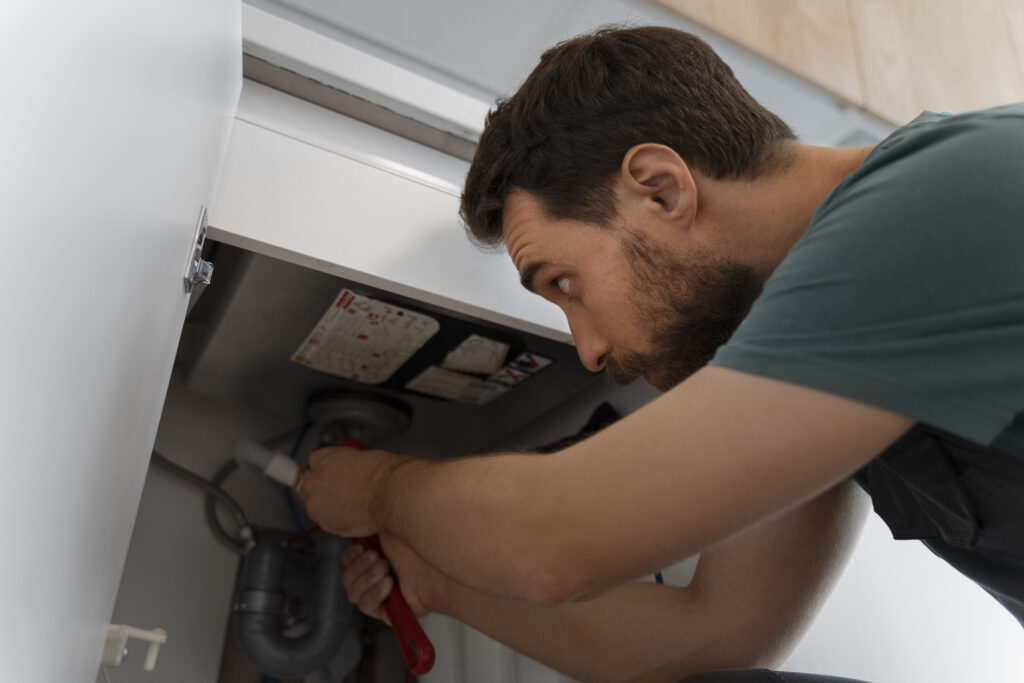


When it comes to selecting a heat pump installation company, making an informed choice is crucial. The right company can ensure your heat pump operates efficiently, saving you money on energy bills and reducing your environmental impact. To help you make the best decision, here are some key factors to consider:
To demonstrate the heat pump’s efficiency across the entire year, the Seasonal Coefficient of Performance (SCoP) or Seasonal Performance Factor (SPF) is utilized. The SPF must be calculated by heat pump installers based on your home’s system configuration. Given the typical temperatures at your area and other factors like the size of your radiators, this estimate shows how the heat pump should function. Before starting any work, the installer should discuss this computation with you.The SPF rather than the CoP figure will offer you a better idea of what to anticipate in terms of operating costs and efficiency.
Look for a company with a proven track record in installing heat pump systems. Experienced technicians are more likely to handle complex installations and troubleshoot effectively.
Look for a company with a proven track record in installing heat pump systems. Experienced technicians are more likely to handle complex installations and troubleshoot effectively.
Verify that the company and its technicians have the necessary licenses and certifications. This ensures they meet industry standards and have the expertise to install the system correctly.
Check online reviews and testimonials from previous clients. Positive reviews reflect the company’s reliability and customer satisfaction. Also, ask for references and speak to past customers if possible.
A reputable company should be knowledgeable about the latest energy-efficient models and be able to recommend the right heat pump system for your specific needs. They should also guide you on how to optimize your system for energy savings.
Inquire about the brands and models of heat pumps they install. Opt for companies that work with well-known, reliable brands. High-quality equipment ensures durability and efficiency.
Understand the warranty offered with the installation and inquire about maintenance packages. Regular maintenance is vital for the longevity and efficiency of your heat pump.
Pay attention to their responsiveness and willingness to answer your queries. A company with excellent customer service is likely to be reliable during the installation process and in case you need post-installation support.
Request detailed quotes from multiple companies. Be wary of unusually low prices, as they might indicate subpar equipment or installation practices. Choose a company that offers a balance between quality and affordability.
A company familiar with the local climate and energy regulations can provide tailored solutions that are best suited for your region.
If environmental impact is a concern for you, inquire about the company’s eco-friendly practices and whether they dispose of old equipment responsibly.
Discuss the estimated timeline for the installation. A reliable company should be able to provide a clear schedule and stick to it, ensuring minimal disruption to your routine.
By considering these key factors, you can confidently choose a heat pump installation company that not only meets your immediate needs but also provides long-term benefits in terms of energy efficiency, comfort, and peace of mind.
Before you start searching for a heat pump installation company, assess your heating and cooling needs. Consider the size of your space, your budget, and any specific requirements you might have. Understanding your needs will help you communicate effectively with potential companies.
Start your search by looking for local heat pump installation companies. Check online directories, read customer reviews, and ask for recommendations from friends and family. Local companies are often more responsive and familiar with the climate and regulations in your area.
Ensure that the companies you consider have the necessary licenses and certifications to operate in your region. Licensed professionals are more likely to adhere to industry standards and provide high-quality services.
Reach out to several companies and request detailed quotes for the installation. Compare the prices, services included, and warranties offered. Be cautious about significantly low prices, as they might indicate subpar equipment or workmanship.
Ask the companies for references from their previous clients. Contact these references to inquire about their experience with the company. Satisfied customers are a good indicator of the company’s reliability and professionalism.
Standard ground- or air-to-water heat pumps must have the capacity to store hot water for later use. The size of the hot water cylinder needed depends depend on how much hot water you demand, although it frequently fits inside an 80x80cm-sized cabinet. The heat pump may gradually heat the water with the aid of a hot water cylinder, which stores the heated water until you need it.
Although the majority of heat pumps can deliver water at 55°C, the cylinder’s hot water must occasionally reach 60°C or more to kill dangerous bacteria. Some heat pumps can transport water to this temperature, however the majority of systems are made to utilise immersion heaters (an electric heater within your hot water tank).
You will need to think about an other method of heating your water, such as utilizing an immersion heater, as an air-to-air heat pump cannot produce hot water.
You still have options if you don’t have room for a hot water cylinder. In certain hybrid systems, hot water is produced by the boiler rather than the heat pump, which provides space heating.
A heat battery, which requires less room than a hot water cylinder, might also be installed. A lower amount of hot water can be provided by installing an instantaneous hot water heater under your kitchen sink.
Although modern condensing boilers should ideally operate at lower temperatures to function as effectively as possible, conventional fossil fuel boilers were normally intended to give water to your radiators at 75°C. In contrast, a heat pump should, depending on the outside temperature, circulate hot water to the radiators or underfloor heating at a temperature of between 35°C and 45°C. The heat pump will function most effectively and cost least to operate at this time.
It can be difficult to install underfloor heating once the house has already been constructed. Instead, you may decide to build a heat pump and keep the current radiators at a higher temperature, or you could install larger radiators with more surface area to produce enough heat with colder water.
Radiators are available in a wide variety of sizes and styles. To enhance surface area without taking up more wall space, double or triple panel radiators can frequently be substituted for single panel radiators. treble panel radiators may more than treble the heat output while taking up less wall space than single panel radiators. You may increase the effectiveness of your heat pump and lower operating costs by investing in new radiators.
Since most underfloor heating systems are built to function with water no warmer than 45°C, it is safe to assume that if you have underfloor heating, a heat pump will work well with it.
A special kind of pipe known as “microbore,” which has a small internal diameter, was used in some wet central heating systems established in the 1970s. When switching to a heat pump, this could be a problem. The heat pump cannot deliver water to the radiators quickly enough due to the extremely small pipe diameter. When your installer comes to inspect your home, let them know if you believe you have microbore pipe.
Your home’s size, level of insulation, and draught-proofing will all be taken into account by your heat pump installer as they determine the amount of energy needed to heat your home. Your home will become more pleasant and cost less to heat if the insulation is improved.
Each room requires less heat to keep comfortable in a well-insulated home, so the radiators may generate this heat using water at a lower temperature, which improves the efficiency of the heat pump.
This helps you conserve energy and money in two ways: by lowering the amount of warmth you need and improving the output efficiency of your heat pump.
Another advantage is that you might need a smaller heat pump, which has lower operating costs and purchasing costs than a larger heat pump, if your overall heating needs are reduced.
By minimizing heat loss due to uncontrolled airflow, draught-proofing can also help you use less heating overall.
We can offer guidance on how to insulate and draught-proof your home to lessen heat loss.
Increasing insulation may not always be feasible or economical in some dwellings. If you live in an older home built before 1919, or in a listed building or conservation area, we recommend speaking to insulation specialists with experience working with these types of properties. Insulation installers can visit your home and advise where rooms could be improved with appropriate insulation.
There are other options available if installing insulation or enlarging your radiators is not an option. Some heat pumps are made expressly to deliver water that is hotter. A system that meets your needs should be able to be designed by your installer. Another option to think about is a hybrid system.
Find out how long the company has been in business and how many heat pump installations they have completed. Experience matters, especially when dealing with complex installations or unique requirements.
Pay attention to the responsiveness and friendliness of the company’s staff. A company with excellent customer service is likely to address your concerns promptly and professionally throughout the installation process.
Carefully review the contract before signing. Ensure that all services, costs, and warranties are clearly outlined. Understand what is covered under the warranty and for how long. A transparent contract protects both you and the company.
Discuss energy-efficient options with the company. A knowledgeable provider can recommend heat pump systems that are not only environmentally friendly but also help you save on energy bills in the long run.

Finally, trust your instincts. If a company makes you feel uncomfortable or if something seems off, consider other options. A trustworthy and reliable company will make you feel confident about your decision.
By following these steps, you can make a well-informed choice when selecting a heat pump installation company. Remember, investing time in research and evaluation now can lead to years of efficient heating and cooling in your home. Good luck with your heat pump installation project!
Evaluate the company’s proficiency with the latest HVAC technologies. Inquire about their knowledge of smart thermostats, energy-efficient controls, and other advanced features that can enhance your heat pump system’s performance and convenience.
During your interactions, assess the company’s professionalism and communication skills. A company that takes the time to explain technical details in a clear and understandable manner demonstrates their expertise and commitment to customer satisfaction.
Inquire about the company’s after-sales services. A reliable company should offer post-installation support, including regular maintenance, troubleshooting assistance, and guidance on optimizing your heat pump system’s performance.
If you have specific design requirements, such as concealing the heat pump system or integrating it seamlessly into your home’s architecture, ensure the company can accommodate these needs. A flexible approach to design showcases their ability to tailor solutions to your aesthetic preferences.
During your initial inquiries, take note of how quickly the company responds to your emails or calls. A prompt response indicates their dedication to customer service and their ability to handle urgent situations effectively.
Research how the company handles customer complaints and disputes. Companies with a strong commitment to customer satisfaction will have a clear process for addressing issues and ensuring that customers are content with the resolution.
Consider the company’s commitment to social and environmental responsibility. Companies engaged in community initiatives or environmentally friendly practices often demonstrate a higher level of accountability and ethics.
Look for a company interested in building a long-term relationship with you. A contractor who values customer loyalty is more likely to provide consistent, high-quality service and prioritize your satisfaction to maintain a positive, ongoing relationship.
In addition to product warranties, ask if the company offers guarantees on their workmanship. A guarantee demonstrates their confidence in the quality of their work and provides you with peace of mind regarding the installation’s durability.
Examine the company’s online presence, including their website, social media profiles, and online reviews. A professional, informative online presence is indicative of a company that takes their business seriously and strives for excellence in all aspects of their services.
By meticulously considering these additional steps, you can make a comprehensive evaluation of potential heat pump installation companies. Remember that your choice not only impacts your immediate comfort but also influences your long-term energy efficiency and home satisfaction. Taking the time to select the right company is an investment in your home’s future comfort and your peace of mind.
Selecting a heat pump installation company is more than just finding a service provider; it’s about forging a partnership that ensures your home’s comfort and sustainability. Here’s how you can think outside the box to find your ideal heat pump installation partner:
Dive into the company’s story. Understanding their values, mission, and the enthusiasm they bring to their work can provide a unique perspective. A company deeply rooted in its culture often translates to dedication and passion in their services.
Explore their visual portfolio. A picture is worth a thousand words. By browsing through their previous installations, you can gauge their attention to detail, creativity, and adaptability to different home environments.
Peek into their social media presence. Social platforms offer a glimpse into their community engagement, customer interactions, and even their sense of humor. A company that connects with its audience on social media often creates a more personalized experience for its clients.
Investigate their innovation showcase. Companies at the forefront of their industry often showcase innovative projects and solutions. Understanding their innovative initiatives can provide insights into their commitment to staying ahead in the ever-evolving HVAC landscape.
Seek testimonials within your community. Local voices matter. Hearing from your neighbors and community members about their experiences with the company can create a sense of trust and reliability that goes beyond generic online reviews.
Look into their partnerships and collaborations. Companies engaged in partnerships with energy-efficient organizations, environmental initiatives, or community projects often indicate a broader commitment to the greater good, aligning with your values.
Explore their accolades and awards. Recognitions within the industry showcase a company’s expertise and excellence. Awards often signify a commitment to quality, making it a noteworthy factor in your decision-making process.
Participate in their workshops or webinars. Companies hosting educational events reflect their dedication to customer awareness and education. Attending these events can provide valuable insights into their expertise and willingness to share knowledge.
Look for employee spotlights. Companies that highlight their team members often signify a positive work environment. Happy employees are more likely to provide excellent customer service, ensuring a seamless installation process.
Inquire about their feedback loops and continuous improvement strategies. A company that actively seeks feedback from clients and implements improvements based on those suggestions demonstrates a commitment to delivering an exceptional customer experience.
Remember, choosing a heat pump installation partner is not just a transaction; it’s a relationship. By exploring these unconventional aspects, you can uncover the hidden gems in the HVAC industry—companies that not only install heat pumps but also enrich your home and community in unexpected ways.
Empowering Australians to Save on Hot Water Heat Pumps since 2008 – a Decade of Efficiency and Innovation.